
Running a Sex Offender Check in Tulare County
The official public starting point is the California Megan's Law Website. California DOJ draws that public site from the California Sex and Arson Registry, or CSAR. A Tulare County search can begin with a known name, a city such as Visalia, Tulare, or Porterville, a ZIP code, an address, or the county filter. Location tools are often more useful for community awareness because a person may know an area but not a registrant's exact name.
Prepare enough detail to avoid a false match. Compare the photo, aliases, physical description, offense information, and the type of address display. Do not assume that a shared name, age, or neighborhood proves identity. California DOJ warns that registry facts can change fast and that errors may occur. Local law enforcement takes registration information, but the state website is the public search layer. It does not function as a full criminal-history report.
Tulare County Registry Disclaimer
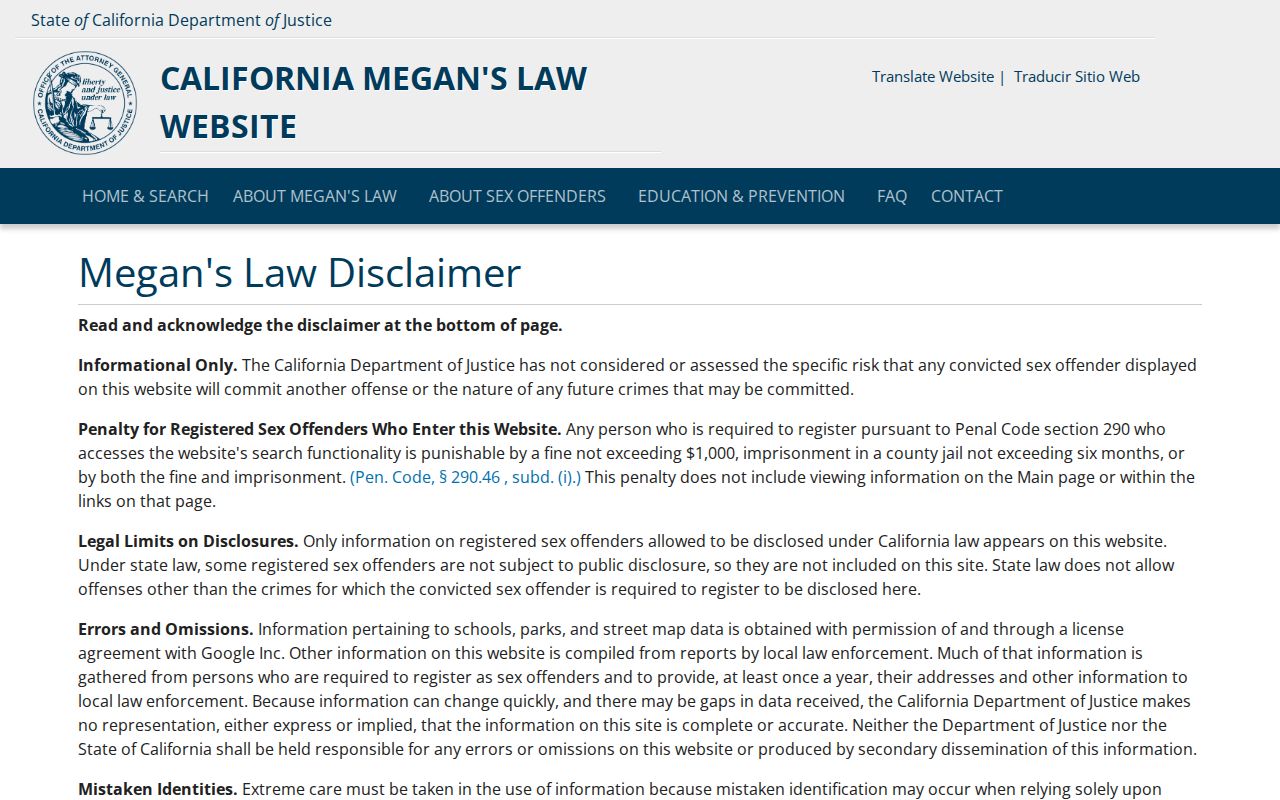
Every California Megan's Law search begins with a conditions-of-use screen. The official disclaimer explains that DOJ has not made an individual prediction about the future risk posed by each displayed person. A listing means the person falls within a disclosure category set by law. It does not supply a complete case file, current court status, or every fact that might matter to a safety plan.
The disclaimer is worth reading before pressing Continue. It says only information authorized for web publication appears and that some people who must register are not displayed. Searchers should verify identity through several fields and contact law enforcement when a real safety concern calls for help.
The California DOJ disclaimer screen shows the required entry point before a Tulare County registry search.
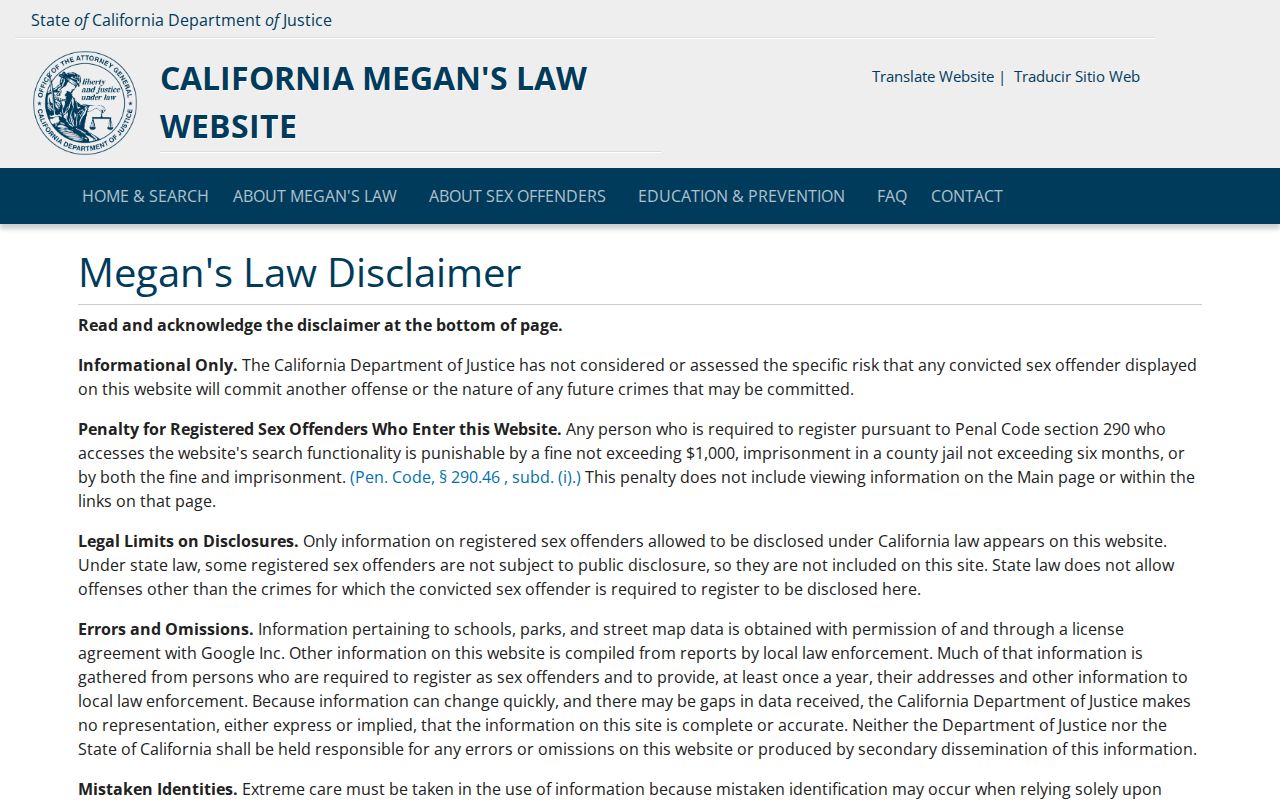
That gate puts legal limits and accuracy cautions before the search fields, not after a reader has acted on a result.
Searching the California Megan's Law Website
California DOJ manages the public interface. It allows several paths into Tulare County registry records, so a searcher can move from a broad place search to a specific profile. Use the narrowest reliable detail first, then broaden the query if no result appears. Spelling, aliases, transient status, and a move across a city boundary can affect the result set.
- Open the official site, read the disclaimer, and accept the conditions to continue.
- Choose a name search or enter a Tulare County city, ZIP code, address, or county filter.
- Review map or list results and compare more than one identifier before selecting a profile.
- Open the profile and read its disclosure category, address level, listed offense, and status details.
| Field Label | Type | Required | Notes |
|---|---|---|---|
| Disclaimer acknowledgement | Button | Yes | Read and continue before search tools open. |
| Name | Text | No | Search by a registrant's known name. |
| City or ZIP Code | Text or selection | No | Use a Tulare County place or ZIP for location results. |
| Address | Text | No | Supports address-proximity searching when available. |
| County | Dropdown | No | Select Tulare for a county-wide result set. |
| Map or list view | Control | No | Switch between visual and listed results. |
NSOPW for Tulare County Registries
A California-only search can miss a person who moved or registered in another state, territory, or tribal jurisdiction. The U.S. Department of Justice's National Sex Offender Public Website, known as NSOPW, sends one query across participating public registries. It is the stronger second step when the relevant place is uncertain or a safety check reaches beyond Tulare County.
NSOPW does not replace California Megan's Law. Each source jurisdiction controls its own records, public fields, and update cycle. Use the national result to identify the source registry, then open that jurisdiction's official profile for the most direct context.
The official NSOPW search illustrates how a Tulare County query can be expanded across jurisdiction lines.
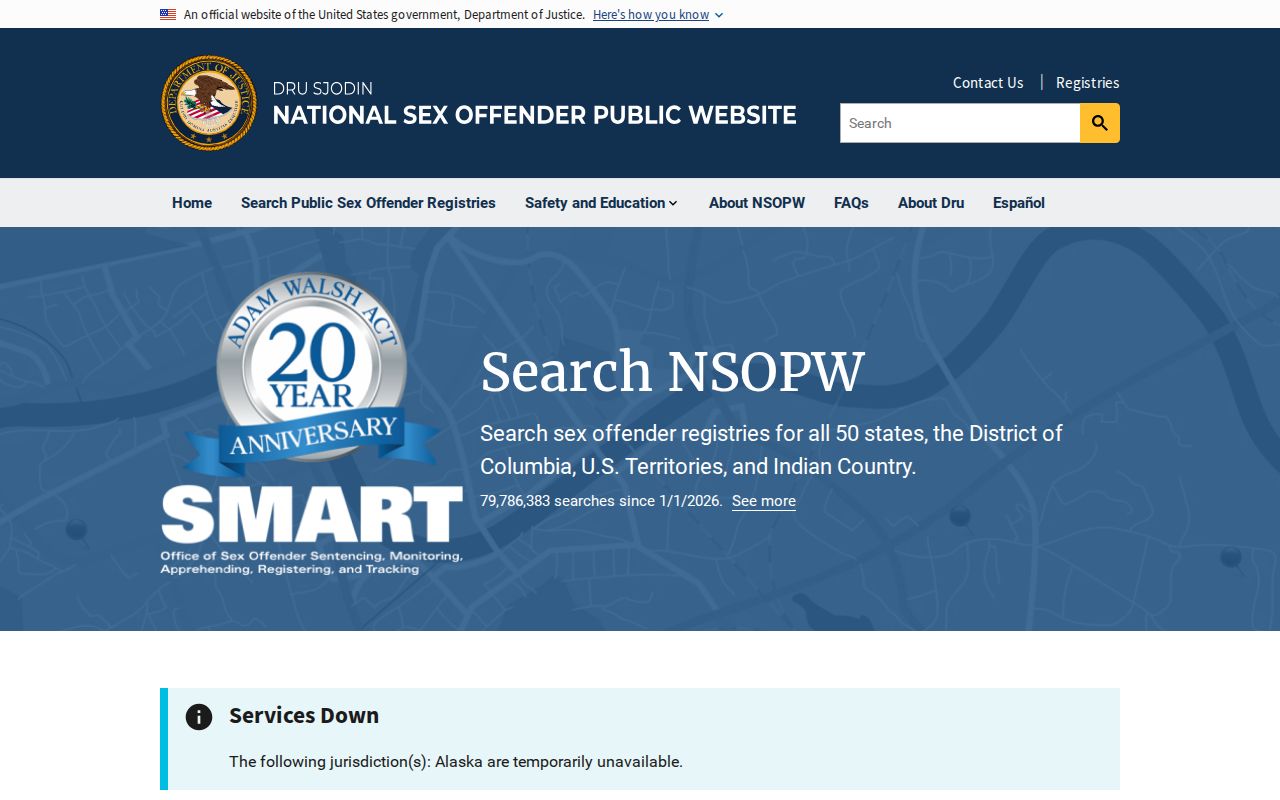
This national layer is most useful as a routing tool back to the government registry that owns each result.
What a Registry Profile Shows
A public profile combines identification details with the limited offense and location facts California law permits online. Read the fields together. The profile is not a complete rap sheet, and the displayed offense history is confined to qualifying registerable crimes. Address detail also varies by disclosure category.
| Name and aliases | Names made public for the listed registrant. |
|---|---|
| Photo and description | Photograph plus sex, race, age or birth data, and other available descriptors. |
| Address or community | Full address for some categories; community, ZIP, county, or transient registration for others. |
| Registerable offenses | Specific qualifying crimes and related conviction or release year when DOJ has the data. |
| Risk and tier fields | SARATSO risk level may appear, along with tier information when available. |
| Deliberate exclusions | Victim identity and employer name or address are not displayed. |
Matching Tulare County Registry Identities
A name alone is a weak match. Common names, aliases, a recent move, and similar ages can point to the wrong person. Compare the public photograph and physical description with the name, location display, conviction year, and any available risk field. When key details conflict, do not treat the profile as a match.
California DOJ also cautions that registry facts may change quickly. If a Tulare County result appears inaccurate, use the correction process identified in the Megan's Law disclaimer or contact the registration agency. A report of a possible data error is different from a report of noncompliance, which belongs with the agency responsible for enforcement.
Tulare County Registry Display Limits
California Penal Code section 290.46 controls what reaches the internet. Some registrants are not publicly displayed, even though they remain subject to registration duties. Certain juvenile adjudication information is withheld. The site also excludes non-registerable criminal history, victim identity, and employer details. A blank search result therefore cannot prove that no duty to register exists.
The statute also creates different address displays. One Tulare County profile may show a full street address, while another shows a ZIP code, community, county, or transient status. That variation reflects legal disclosure rules and is not a cue to fill gaps through unofficial people-search sources.
The official Penal Code section 290.46 page provides the controlling public-disclosure language.
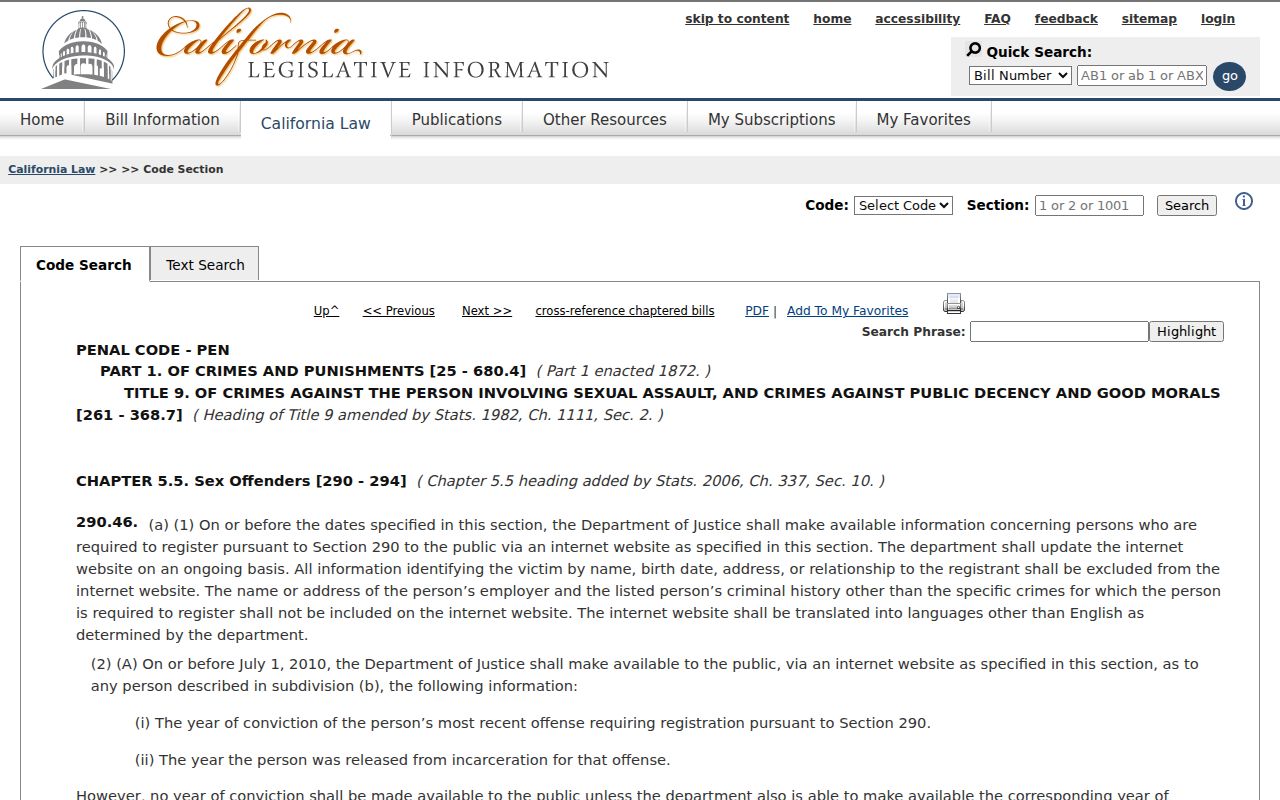
Those limits explain why a registry profile should never be treated as a full account of a person's criminal record.
Registration Requirements and Levels in California
California uses a tier system with minimum registration periods. Adult tiers run from a ten-year minimum to life, while qualifying juvenile tiers use shorter periods. The tier describes a statutory registration term, not a personal prediction by DOJ. Local law enforcement receives registration updates, and DOJ maintains the statewide repository and public disclosure layer.
| Level or Tier | Duration | Public relevance |
|---|---|---|
| Adult Tier 1 | Minimum 10 years | Public display still depends on Penal Code 290.46. |
| Adult Tier 2 | Minimum 20 years | Tier length does not replace profile-specific disclosure rules. |
| Adult Tier 3 | Lifetime | Registration continues for life. |
| Juvenile Tier 1 | 5 years | Qualifying juvenile information may face internet limits. |
| Juvenile Tier 2 | 10 years | Public access remains controlled by statute. |
| Tier pending | To be determined | Some already listed people may remain public while DOJ determines tier. |
Tulare County Registry SAFE Reports
Registration takes place through local law enforcement. City police may handle duties in Visalia, Tulare, and Porterville, while the Tulare County Sheriff's Office serves unincorporated areas. A member of the public who has a concrete concern about possible noncompliance should report it instead of trying to investigate or confront anyone.
The Sheriff's Sexual Assault Felony Enforcement Team is the local compliance contact documented in Tulare County research. The SAFE Team can be reached at (559) 735-1905. Anonymous information may be sent to tcso@tipnow.com. Give clear, factual details about the location or conduct that caused concern. An official team can compare the report with restricted records that are not available through the public website.
The California DOJ registry overview describes the statewide repository that supports this local compliance process.
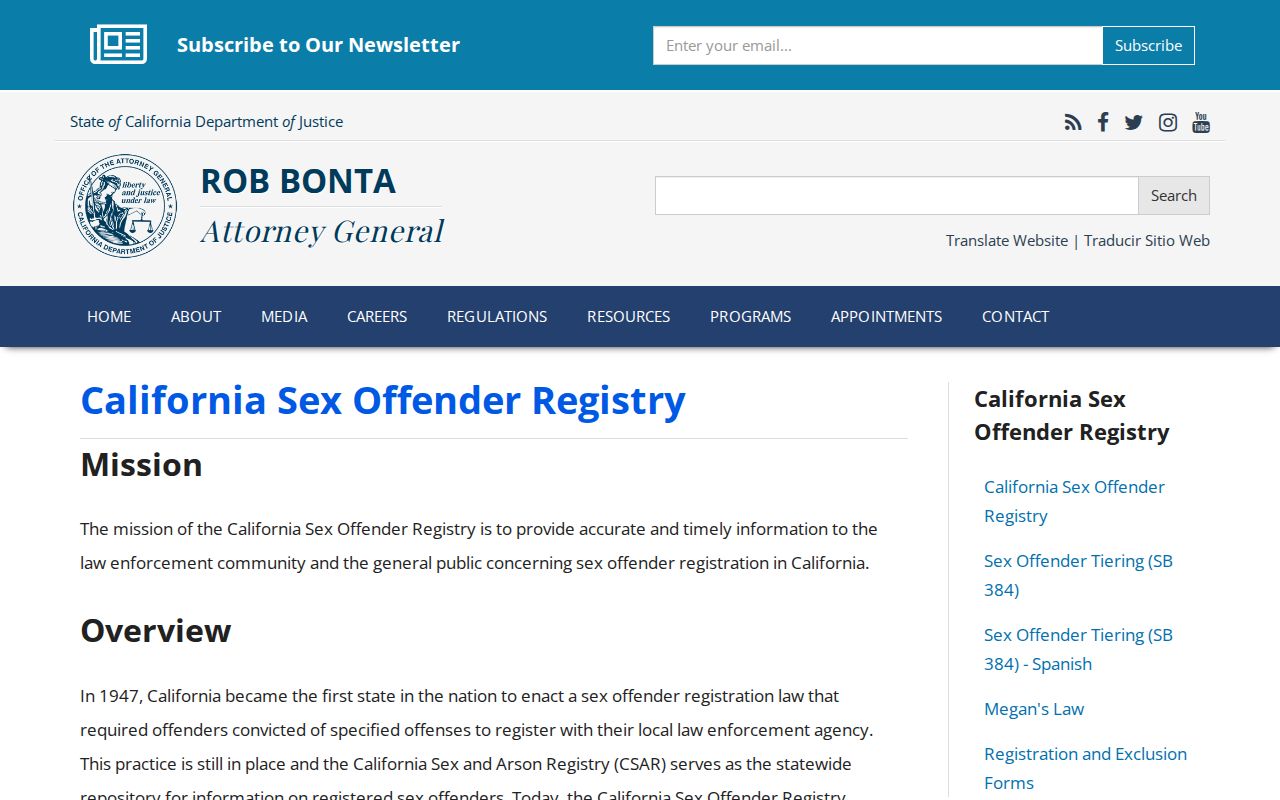
The division of roles is clear: local agencies register and investigate, while DOJ maintains statewide registry data and public access.
Lawful Use and Community Notification
The public registry exists to help protect a person who may be at risk. Lawful uses include community awareness, family safety planning, and giving a factual tip to police. The proper response to a concerning result is to confirm the profile, avoid direct contact, and call the agency with jurisdiction when a safety or compliance issue is real.
California draws a firm line at harassment, threats, crimes, and other misuse. Registry information should not be used as a substitute for a court record or a full criminal-history review. It also should not be copied into unofficial lists that can become stale while addresses and status facts change.
Misuse can bring criminal and civil liability. Penal Code section 290.46(j) warns that using registry facts for a purpose other than protecting a person at risk, including a crime or harassment of a registrant or family member, may lead to prosecution and civil liability.
The official Megan's Law search interface keeps those conditions tied to every Tulare County registry search.
Using the state source keeps the search connected to current public fields, legal cautions, and the agency that maintains them.